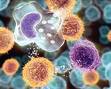
 Like other stressors in our lives—allergic reactions, lack of sleep, emotional duress, poor nutritional intake and excess body fat—exercise can directly affect the body’s complex immune system and produce a cascading effect of inflammatory responses.
Inflammation occurs at the peak of the immune response when conditions such as fever trigger the body to increase blood flow and bring in specialized immune cells to help repair and remove damaged tissues.
An acute (short-term) response to internal and external invaders is the basis of a successful immune system. However, when inflammatory stressors become chronic (long-term) and accumulate, trouble begins.
The immune system is divided into two types of responses: natural and specific. The natural response is an all-purpose first line of defense comprising cells that identify and attack a number of different invaders in a short time frame. White blood cells and other cells devour invading pathogens and initiate inflammation by releasing toxic substances that damage and then consume the invader or damaged tissue.
The second component of the immune system, the specific response, is far more complex and mostly beyond the scope of this discussion. Simply put, the specific response recognizes a specific invader, like bacteria or an allergen, and then mounts a defense against it.
This intricate protective mechanism helps maintain the biochemical balance in the body that maintains health or promotes healing. Many body systems must remain balanced for homeostasis to occur. One important example is the endocrine system, which controls much of the body’s regulating hormones, the body’s pH, body temperature and chemicals in the bloodstream, all of which are delicately balanced and vulnerable if altered for a significant length of time.
Physical & Mental Stressors
It should be noted that the immune system is well designed to handle such physical stressors as microbes, sprained ankles and hay fever. What is not clear, however, is how the immune system reacts to the accumulation of other physical stressors—poor nutrition, lack of sleep, food allergies or sensitivities, postural and joint misalignment and foreign substances.
Additionally, behavioral scientists have been examining the effect of mental and emotional stressors. Significant research has indicated that mental stressors provide as great a challenge to homeostasis as physical conditions like influenza or muscle tears.
The term allostatic load refers to the method by which the body adjusts to the combined effect of many physical and mental stressors. A high allostatic load is essentially an overload of those different stressors, creating what one researcher dubbed “a cascade of cause and effect”.
The connecting factor among physical, emotional and mental stressors occurs in an area of the brain known as the HPA axis. Consisting of the hypothalamus, pituitary gland and adrenal gland, the HPA axis serves as the body’s emergency alert system that responds to a variety of stressors by releasing hormones, such as epinephrine and norepinephrine, which prepare different body systems for action. The HPA axis also releases growth hormone (GH) and cortisol; GH helps repair tissue and promotes growth, whereas cortisol fuels the body by maintaining proper glucose and fatty acid levels.
When faced with a lot of different stressors (i.e., a high allostatic load), the intricately tuned immune system can get caught in a stress hormone–inflammation loop. Hormones are released at higher than normal levels, leading to an increase in pro-inflammatory cytokines, which, in a vicious circle, then re-stimulates the HPA axis. Cortisol levels also increase and alter the immune/ inflammation system, resulting in higher levels of inflammatory factors in the body.
Exercise & Inflammation
So how do the immune system, HPA axis and stress response all fit into the exercise and fitness equation? Exercise is a physical stressor, and the exercise stress response follows similar inflammatory physiological pathways to those activated by other physical and mental stimuli.
In fact, the response to exercise is so parallel that exercise scientists borrowed the phrase general adaptation syndrome (GAS) from Hans Selye, a behavioral scientist who pioneered much of the early extensive research on the stress response. According to Selye, stress causes a temporary decrease in function, followed by an adaptation that improves function. In order for us to improve our health, fitness or athletic ability, it is necessary to increase our efforts to fatigue-level intensities and then recover and refuel.
During exercise, the primary hormones that get released are
- epinephrine (to increase heart rate and blood flow to the muscles)
- norepinephrine (to raise blood pressure)
- cortisol (to mobilize fuel sources and lower any inflammation)
- growth hormone and glucagons (to protect blood glucose and mobilize other energy sources for fuel)
These hormones are the same as those secreted when the body is reacting to mental and emotional stressors.
If the exercise session was designed to elicit higher levels of strength or conditioning, some degree of muscle damage occurred, calling upon the immune system to respond in a number of ways, including an inflammatory response to help muscle repair. While this process promotes muscle regeneration, it can also slow the body’s ability to repair muscle tissue.
Contributing Factors for Inflammation
Many factors play a significant role in increasing body inflammation, including physical imbalances, diet, allergies, sleep deprivation, excess weight and age.
Physical Conditions. Postural and joint mal-alignments play a major role in inflammatory conditions. Exercisers who spend long periods of time sitting each day are especially vulnerable when performing certain upright movements that can create excessive friction in joint complexes. Excessive shoulder internal rotation, thoracic flexion and hip external rotation are classic seated mal-alignment issues that result in pain or damage to areas that then become inflamed.
Poor Diet. One huge contributing factor to inflammation is the Western convenience/comfort food diet, which is high in saturated and trans fats, simple carbohydrates and animal proteins. The American Dietetic Association (ADA) urges Americans to reduce their consumption of saturated and trans fatty acids to diminish risk factors for inflammation-based disorders such as cancer, cardiovascular disease, cerebral infarction and other immune disorders.. Food allergies and sensitivities also contribute to inflammation. The most common food allergies involve wheat gluten, nuts or shellfish. While less severe than allergies, food sensitivities can produce subtle inflammatory reactions to common trigger foods; for example, products made with dairy, corn, soy, wheat, sugar and nuts
Other Allergens. In addition to food, allergens such as chemicals, dust, mold or pollens can cause the body’s immune system to release chemical neurotransmitters called histamines, which trigger an inflammatory process in the blood vessels. The allergic reaction can be slight (e.g., itchy skin, runny nose) or far more serious (e.g., blood pressure drop, swelling, shortness of breath). Environmental pollutants, cleaning products and noise can also increase inflammation.
Sleep Deprivation. Lack of sleep is associated with inflammation. Sleep is a time for the body to recover and repair both mentally and physically. That’s why sleep experts recommend getting 7–9 hours nightly to function optimally. Studies indicate that this time period is critical for biochemical balance in substances like GH and cortisol.
Excess Weight. Biochemical imbalances have also been linked to inflammation caused by excess intra-abdominal fat. Beyond a certain level, excessive intra-abdominal fat produces a cortisol response, which tells the body to store fat; this begins a never-ending feedback loop.
Advanced Age. Another contributing factor is age. As we age, interleukin levels increase dramatically, which plays a role in the development of many diseases of aging, including heart disease, osteoporosis, Alzheimer’s disease and other cognitive impairment diseases.
Tailoring Exercise Programs
Research indicates that high-intensity (> 70% of maximal effort) exercise sessions lasting longer than 20–30 minutes or low-intensity (< 50%–70%) efforts lasting longer than 75 minutes can flood the body with stress and inflammation biochemical markers, initiating a cascading response. It therefore makes sense to devise a workout that stays within those time and intensity parameters.
Moderate exercise at lower intensities is the better course. Moderate exercise efforts for up to 60 minutes can actually reduce inflammatory markers, increase positive neurotransmitters (e.g., serotonin and endorphins) and improve brain chemistry. Moderate intensities also stimulate the growth of new brain cells, neurons and capillary growth to muscles and neurons.
According to most studies, exercising under the 70% effort level seems to be the baseline for reducing inflammation and stress hormone levels These reduced efforts should be combined with exercise programming design that includes myofascial release, flexibility training and corrective exercise. This type of program can help relieve stress, improve joint alignment and muscle activation and reduce the inflammatory response.
Mental Element
It is perfectly acceptable to give less of an effort and work at lower intensities during times of high stress. High-intensity, long-duration workouts are counterproductive if performed during a time of high demands and increased stress in other areas of life.
Managing the hormonal component of exercise can actually help produce gains. The outdated “no pain, no gain” approach can be detrimental to health because at best it stimulates the body to retain body fat or lose muscle mass and at worst it creates a chronic state of injury and illness.
Inflammation also supports the healing power of 7–8 hours of sleep. Sleep is critical to maintaining biochemical homeostasis. The primary function of sleep is to give the body and the mind some restorative time to help decrease systematic inflammation.
Proactive Anti-Inflammatory Strategy
Several proactive anti-inflammatory nutrition strategies that are fairly simple. For example, research has shown that inflammation can be prevented or reduced by the following:
- adding more fruits and vegetables to the diet
- reducing intake of trans fats and saturated fats
- increasing intake of omega-3 fats (found in fish oils, olive oil, avocados and walnuts)
- reducing intake of simple carbs and animal protein
Some herbs and other phytochemicals have been shown to significantly reduce inflammation in the body. For example, an active component in the herb turmeric called curcumin has been studied extensively for its ability to inhibit cancer cell growth. Ginger has exhibited the same properties. Some dietary supplements combine tumeric, ginger, rosemary, basil and other herbs to create a potent natural anti-inflammatory with no known side effects. Studies have found that this specific combination is as effective as some pharmaceutical compounds at stemming inflammation.
NSAIDs work to inhibit hormones in the body called prostaglandins, which are vital to many physiological processes but specifically cause the sensation of pain as a protective mechanism. Because these hormones are important in gastric function and because NSAIDs eliminate all prostaglandin activity, gastric distress can be a side effect. Newer studies are finding that instead of speeding recovery from muscular injury, ingestion of traditional NSAIDs may actually slow the process for several days as protein synthesis (tissue healing) is delayed.
Common types of traditional NSAIDs include aspirin, ibuprofen, naproxen, ketoprofen and indomethacin. It should be noted that while acetaminophen (Tylenol™) is classified as an NSAID, it exhibits little or no anti-inflammatory effects despite its analgesic properties.
Reference: IDEA Health & Fitness Association http://www.ideafit.com